
2026-10-09 · Michael 'Mike' Chen
How to Spot Roof Damage from Winter Weather in Towson
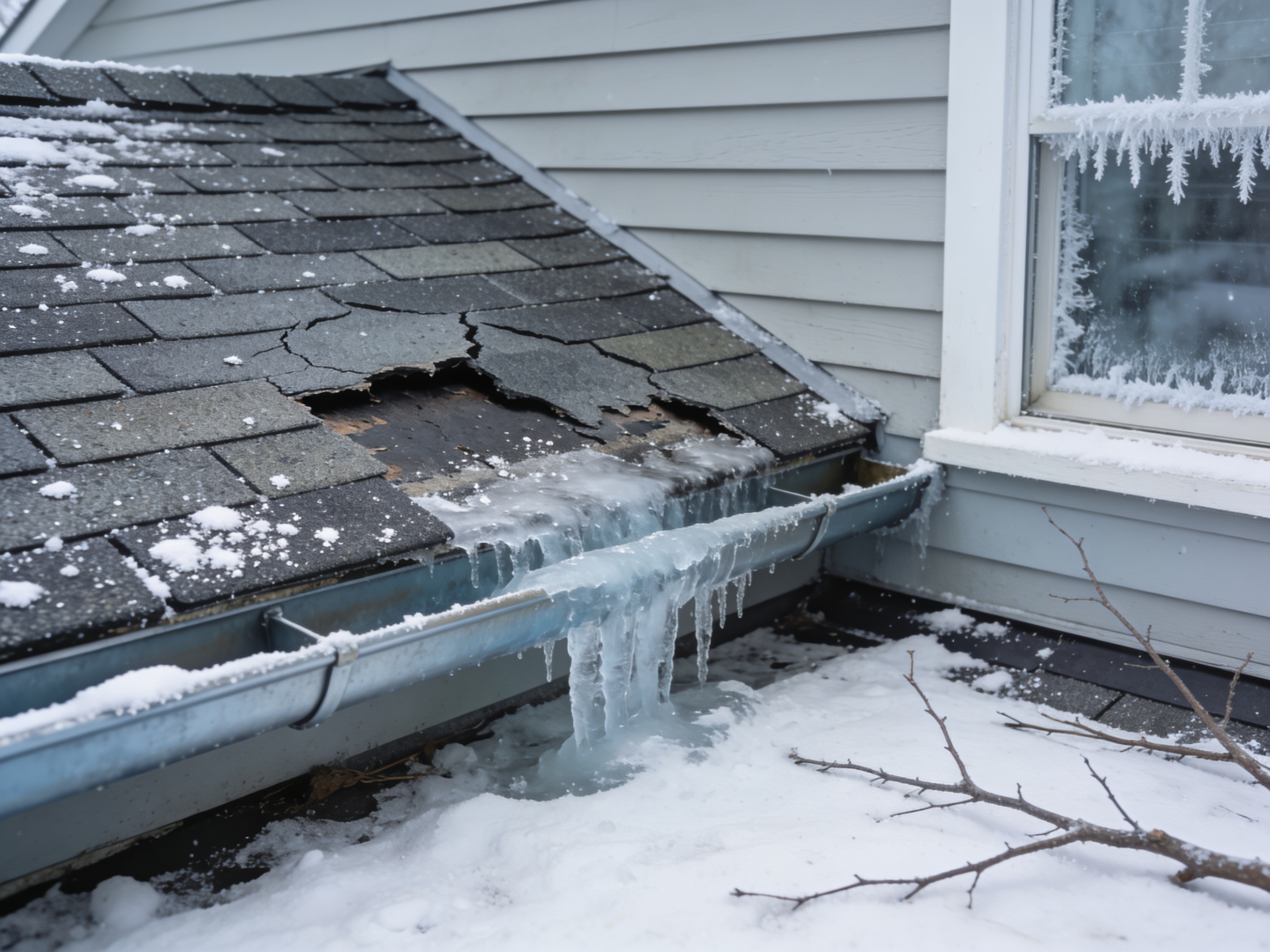
Spotting roof damage from winter weather in Towson typically involves a visual inspection for missing or displaced shingles, cracked or buckled shingles, granule loss, and signs of ice damming along the eaves. These issues often become apparent as the snow melts and temperatures rise, revealing the wear and tear from cold winters, freezing rain, and high winds common to Baltimore County. Addressing these signs promptly can prevent more extensive and costly problems down the line, especially for homes in areas like Rodgers Forge or Stoneleigh, where many houses have stood for decades and their roofing systems may be nearing the end of their lifespan.
Understanding Towson's Winter Roof Challenges
Towson's humid subtropical climate means we experience a full range of winter conditions, from cold snaps with temperatures dipping well below freezing to periods of heavy snowfall and icy rain. This constant fluctuation, particularly the freeze-thaw cycles, is incredibly hard on roofing materials. Asphalt shingles, common on many homes around Towson University and West Towson, can become brittle in extreme cold, making them more susceptible to cracking or breaking under the weight of snow or the force of wind. The frequent precipitation, whether it's snow, sleet, or freezing rain, also contributes to the formation of ice dams, a significant threat to roof integrity. These conditions are a reality for homeowners not just in Towson, but also in nearby cities like Parkville and Pikesville.
Visual Inspection from the Ground
Before you even think about getting on a ladder, a thorough ground-level inspection can reveal a lot. Walk around your home, paying close attention to the roofline and gutters. Look for shingles that appear out of place, curled, or lifted, especially after strong winter winds. Granules accumulating in your gutters or downspouts are another tell-tale sign that your shingles are deteriorating. These granules protect the asphalt from UV rays and impact, and their loss means your roof is losing its defense. Also, observe your chimney flashing and any roof penetrations for visible gaps or tears, as these are common entry points for water. Even minor damage can escalate quickly once spring rains arrive, making early detection vital.
Signs of Ice Dam Damage
Ice dams form when heat escapes from your attic, melts snow on the upper parts of your roof, and then refreezes as it reaches the colder eaves. This buildup of ice can prevent melting snow from draining properly, causing water to back up under your shingles and into your home. Look for large icicles forming along the eaves, especially if they're not uniform or are accompanied by water stains on exterior walls. Inside your home, water stains on ceilings or walls, particularly in upper-level rooms or near exterior walls, are strong indicators of ice damming. In older homes common in areas like Ruxton, inadequate attic insulation and ventilation often exacerbate this problem, leading to significant structural and interior damage. If you notice these signs, it's crucial to address the underlying issues to prevent recurring problems. For more on specific damage, see our article on Storm Damaged Roof.
Attic and Interior Inspection
Don't overlook the inside of your home. Head up to your attic with a flashlight on a sunny day. Look for streaks or discoloration on the underside of the roof decking, which indicate past or current water leaks. Pay attention to the areas around vents, chimneys, and skylights, as these are frequent points of water intrusion. Even small water spots can signal a problem that needs attention. Check for damp or moldy insulation, which not only reduces its effectiveness but also suggests moisture is getting in. In your living spaces, peeling paint on ceilings or walls, especially near the roofline, or a musty odor can also be red flags. These interior signs often point to long-standing issues that have finally manifested after a particularly harsh winter.
Post-Winter Roof Maintenance Tips
Once the winter chill has passed, consider a few proactive steps to maintain your roof's health. First, clear out gutters and downspouts of any accumulated debris, leaves, or shingle granules. Blocked gutters prevent proper drainage and can lead to water pooling around your foundation. Inspect your flashing around chimneys, skylights, and vents, ensuring it's still securely sealed. If you have an older roof, particularly common in neighborhoods like Stoneleigh or Rodgers Forge, consider having a professional inspection. They can identify subtle damage that might be missed by an untrained eye and provide an assessment of your roof's overall condition. Addressing minor issues now can extend the life of your roof and prevent the need for a full Roof Replacement sooner than expected.